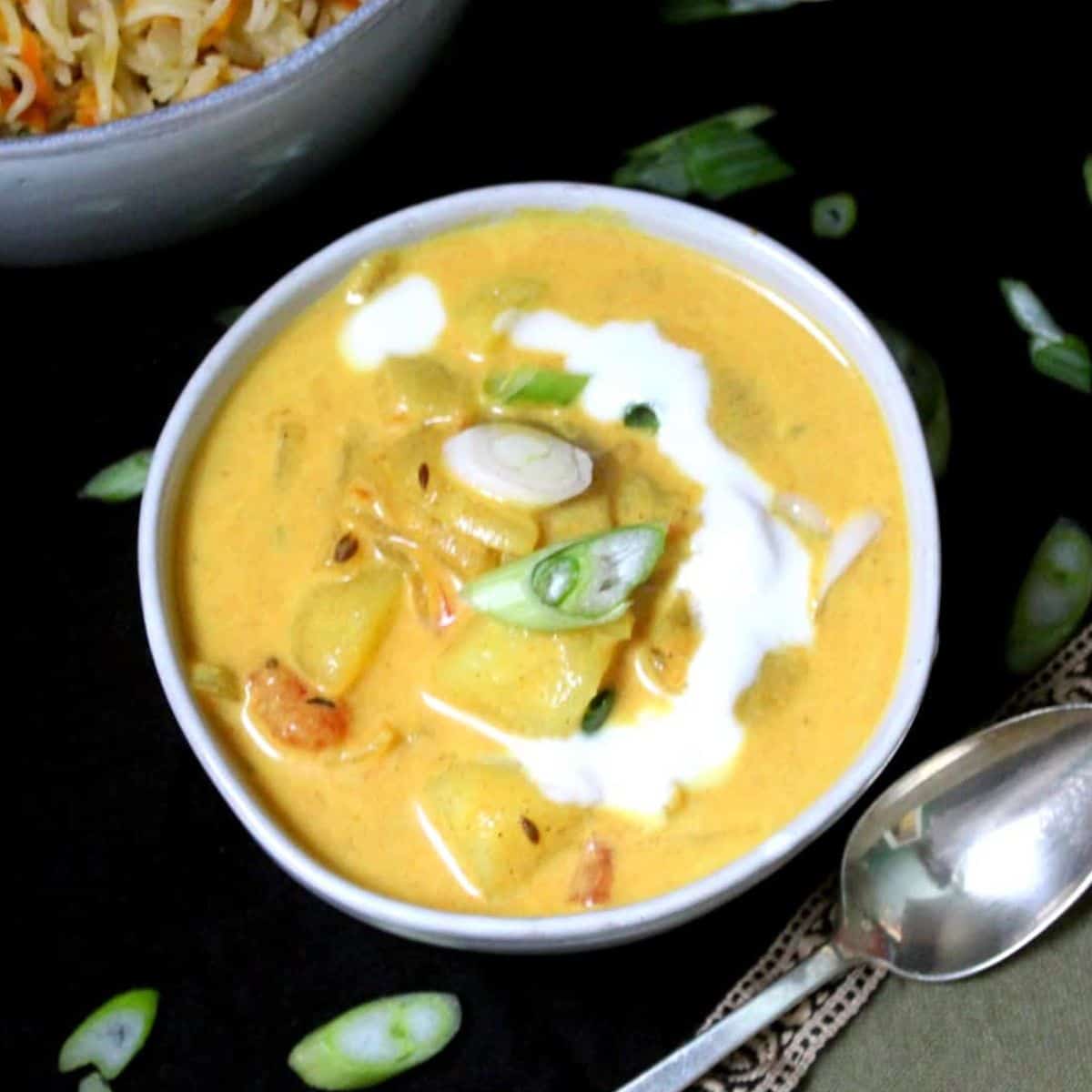
Curry is more than just a dish; it's a global culinary phenomenon, a symphony of spices and textures that transcends borders and palates. From the fiery depths of Southeast Asia to the aromatic comfort of the Indian subcontinent, the varieties are as endless as they are captivating. Yet, even among such a diverse pantheon, one recipe consistently earns a place on the "must-eat" list for its sheer simplicity, incredible flavor, and wholesome goodness: the vegan coconut curry. This isn't just another meal; it's a culinary experience designed for maximum taste with minimal effort, proving that incredible food doesn't have to be complicated.
The Undeniable Allure of Vegan Coconut Curry
For many, the idea of a truly satisfying curry conjures images of complex ingredient lists and hours spent slaving over a stove. But what if we told you that one of the most flavour-packed, creamy, and deeply comforting curries you'll ever make could also be one of the easiest? This is precisely the promise of a well-crafted vegan coconut curry. It’s a testament to the fact that culinary brilliance often lies in thoughtful combinations and smart cooking techniques, not necessarily in excessive effort.
In a world where time is a precious commodity, a recipe that delivers exceptional results without demanding your entire evening is invaluable. The beauty of this dish lies in its 'set it and forget it' nature after a quick initial prep. Vegetables and aromatics hit the pan, the luscious coconut milk is added, and then magic happens. The sauce simmers itself to perfection, infusing every ingredient with its rich, aromatic essence. It's the kind of meal that consistently delivers a heartwarming fix, making it an instant staple for busy weeknights or relaxed weekends alike.
Effortless Excellence: The Secret to its Simplicity
What makes a vegan coconut curry truly special goes beyond its delicious taste; it’s the remarkably low effort-to-quality ratio. Many recipes promise ease, but few deliver such profound flavor with so little active cooking. The secret often lies in harnessing the power of well-chosen ingredients and allowing them to meld together naturally. After a brief period of sautéing your base aromatics – think garlic, ginger, and perhaps some shallots – the main components are introduced, and the curry pretty much takes care of itself.
- Minimal Active Cooking: The bulk of the cooking time involves gentle simmering, allowing the flavors to deepen and the sauce to thicken naturally. This frees you up to attend to other tasks or simply relax while dinner practically prepares itself.
- One-Pan Potential: Many variations can be almost entirely cooked in a single pot or frying pan, simplifying cleanup and streamlining the entire process.
- Accessible Ingredients: The core components – vegetables, curry paste or powder, coconut milk, and a protein source – are readily available in most grocery stores, making it easy to whip up on a whim.
- Versatility: It’s incredibly adaptable. You can use almost any vegetable you have on hand, making it a fantastic dish for utilizing leftovers or customizing based on seasonal produce.
This effortless approach doesn't compromise on taste; rather, it highlights the inherent deliciousness of the ingredients. The creamy texture from the coconut milk, combined with the vibrant spices, creates a truly satisfying and memorable meal every time. For more general insights into creating satisfying plant-based meals, you might find our article on vegan coconut curry - Article 2 particularly useful.
Understanding Flavor Foundations: Curry Paste vs. Powder
To truly appreciate the depth of a vegan coconut curry, it's helpful to understand the fundamental building blocks of curry flavor: curry powders and curry pastes. While both are essential to creating that distinct curry taste, they originate from different culinary traditions and offer unique flavor profiles.
Curry Powder: The Indian Influence
Often found in the Western world, curry powders are typically a blend of dried, ground spices. They are a hallmark of many Indian-style curries, providing an earthy, warm, and often complex base. Common ingredients include:
- Cumin
- Coriander
- Turmeric (responsible for the signature yellow color)
- Cloves
- Cinnamon
- Black Pepper
- Chili Powder
The color of curry powder can also be an indicator of its heat level: lighter, yellowy powders usually denote a milder dish, while darker, browner shades often signify a spicier kick.
Curry Paste: The Thai Essence
Curry pastes, on the other hand, are typically associated with Thai cuisine. These are often made from fresh ingredients, pounded together into a fragrant, potent paste. They tend to be more complex and vibrant in flavor due to the inclusion of fresh herbs and aromatics:
- Fresh Chillies (varying types for different heat levels)
- Lemongrass
- Galangal
- Garlic
- Ginger
- Shallots
- Kaffir Lime Peel
- Shrimp Paste (A crucial vegan watch-out!)
The strength and flavor profile of pastes can vary significantly. Generally, yellow curry pastes are the mildest, red curry pastes offer a medium heat, and green curry pastes are the hottest. However, the most important consideration for those following a plant-based diet is to always check the label. Many traditional curry pastes, particularly Thai varieties, contain fish derivatives like shrimp paste or fish sauce, making them unsuitable for vegans. Fortunately, many excellent vegan-friendly curry pastes are now widely available, so opt for those explicitly labelled vegan.
The Best of Both Worlds: A Synergistic Blend
What elevates an exceptional vegan coconut curry is often the clever combination of both worlds. By using a quality curry powder alongside a thoughtfully chosen vegan curry paste, you achieve a depth and richness that is truly unparalleled. The curry powder lends that comforting, spiced Indian-esque warmth, while the paste contributes the fresh, aromatic, and often creamy elements that pair so beautifully with coconut milk. This fusion results in a dish that is deeply flavorful, wonderfully creamy, and slightly sweet, creating a harmonious culinary collaboration that celebrates the best of both vibrant traditions.
Crafting Your Perfect Vegan Coconut Curry: Tips & Variations
The beauty of a vegan coconut curry lies not just in its ease but also in its incredible adaptability. Once you master the basic technique, the possibilities for customization are endless. Here are some tips and variations to help you create your ultimate plant-based curry masterpiece:
Choosing Your Vegetables
Almost any vegetable can find a happy home in a coconut curry. Aim for a mix of textures and colors for visual appeal and nutritional diversity. Some excellent choices include:
- Leafy Greens: Spinach, kale, bok choy (add towards the end of cooking).
- Root Vegetables: Sweet potatoes, carrots, parsnips (add early to allow for softening).
- Cruciferous Veggies: Broccoli, cauliflower florets (can be roasted separately for extra flavor before adding).
- Other Favorites: Bell peppers (any color), zucchini, green beans, mushrooms, bamboo shoots.
Protein Power-Ups
While vegetables are fantastic, adding a protein source makes this curry a complete and satisfying meal.
- Tofu: Extra-firm or super-firm tofu is ideal. Press it well, then either cube and add directly to simmer, or for extra texture, pan-fry or air-fry the cubes until golden before adding. This creates a delicious crispy exterior.
- Chickpeas & Lentils: Canned chickpeas (rinsed) or pre-cooked lentils are quick and easy additions, adding fiber and plant-based protein. Red lentils can also be cooked directly in the curry sauce, thickening it further.
- Tempeh: Marinate and crumble or cube tempeh for a hearty, nutty addition.
Enhancing the Sauce
The coconut milk is key, but a few additions can take your sauce to the next level:
- Full-Fat Coconut Milk: Always opt for full-fat for maximum creaminess and flavor. Light coconut milk can result in a thinner, less satisfying curry.
- Fresh Aromatics: Don't skimp on fresh garlic, ginger, and shallots. Sautéing them properly at the beginning builds a strong flavor base.
- Lime Juice: A squeeze of fresh lime juice at the end brightens the flavors and adds a zesty finish.
- Sweetener: A touch of maple syrup or a date paste can balance the spices and acidity, especially if using a spicier paste.
- Fresh Herbs: Cilantro, Thai basil, or mint are fantastic garnishes that add a burst of freshness just before serving.
Serving Suggestions
A vegan coconut curry is wonderful on its own, but it truly shines when paired with:
- Rice: Jasmine rice, basmati, brown rice, or even quinoa.
- Naan or Roti: For scooping up every last drop of that delicious sauce. Look for vegan versions!
- Garnishes: Fresh cilantro, sliced green onions, a wedge of lime, toasted cashews, or a drizzle of chili oil for an extra kick.
Exploring different cultural influences can also bring new dimensions to your cooking. For diverse plant-based curry concepts, make sure to check out vegan coconut curry - Article 3.
Conclusion: Your New Go-To Vegan Delight
The vegan coconut curry stands out as a true culinary triumph – a dish that masterfully blends the rich, complex flavors of Indian spices with the creamy, aromatic allure of Thai cuisine, all while remaining incredibly simple to prepare. It’s a testament to the fact that wholesome, plant-based meals can be bursting with flavor, deeply satisfying, and remarkably effortless. Whether you’re a seasoned vegan chef or simply looking to incorporate more delicious plant-based meals into your routine, this curry offers a perfect balance of convenience and gourmet taste. So, gather your ingredients, embrace the simplicity, and prepare to be utterly charmed by this stress-free, full-flavored culinary delight. Your taste buds (and your schedule) will thank you!
